Friday, March 22, 2019
Other characteristics of the Sebastopol include orange feet and bill and the eyes are commonly blue. It grows to about 11 and 13.5 pounds.
Unfortunately, it lays about 13 to 18 eggs per year, has a fertility rate of about 45%, and typically has poor brooding skills. Doing the math, that makes an average of 7 fertile eggs per year per female, and that doesn’t begin to take into account hatch rates. This difficulty in production is but one reason why the Sebastopol is considered a threatened species and more expensive to produce.
Unfortunately, it lays about 13 to 18 eggs per year, has a fertility rate of about 45%, and typically has poor brooding skills. Doing the math, that makes an average of 7 fertile eggs per year per female, and that doesn’t begin to take into account hatch rates. This difficulty in production is but one reason why the Sebastopol is considered a threatened species and more expensive to produce.
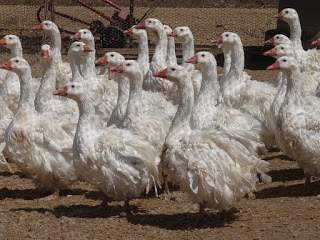
The oddest, yet one of the most popular of our geese breeds, is the Sebastopol. It is highly recognizable from their curled feathers. The definitive origins of the Sebastopol are unknown, but it is believed that they originated in southeastern Europe and that the name ‘Sebastopol’ came from the port town of the same name in Russia. Originally they were bred so their feathers could be used as stuffing in bedding but now they are strictly an ornamental breed.
The breed has been closely documented since its first showing in England in the 1860s. Jonathan M. Thompson on the Lifestock Conservancy has collected a variety of news article and journal entries that mention Sebastopol and its effect in the poultry world and social circles.
Interestingly, the Sebastopol is known as Lockengans in German, L’Oie Frisee in French and in ancient Greek the word ‘sebastos’ means venerable, august, or magnificent. The Greek translation fits the Sebastopol perfectly due to its unique and striking feathers. Unlike other geese, the feathers of the Sebastopol’s body are soft and flexible, twisted and curled, and can grow to touch the ground. These special feathers cover the entire body except the neck and head. The plumage is pure white once they become an adult, but can have shades of gray as a juvenile.
Because of its curly feathers, the Sebastopol is not as winter or wind hardy as other geese. The curly feathers allow heat to escape far easier than the tightly packed feathers of other geese. Therefore, Sebastopols will require extra precautions and heating aids in windy and cold weather.
Other characteristics of the Sebastopol include orange feet and bill and the eyes are commonly blue. It grows to about 11 and 13.5 pounds.
Unfortunately, it lays about 13 to 18 eggs per year, has a fertility rate of about 45%, and typically has poor brooding skills. Doing the math, that makes an average of 7 fertile eggs per year per female, and that doesn’t begin to take into account hatch rates. This difficulty in production is but one reason why the Sebastopol is considered a threatened species and more expensive to produce.
The breed has been closely documented since its first showing in England in the 1860s. Jonathan M. Thompson on the Lifestock Conservancy has collected a variety of news article and journal entries that mention Sebastopol and its effect in the poultry world and social circles.
Interestingly, the Sebastopol is known as Lockengans in German, L’Oie Frisee in French and in ancient Greek the word ‘sebastos’ means venerable, august, or magnificent. The Greek translation fits the Sebastopol perfectly due to its unique and striking feathers. Unlike other geese, the feathers of the Sebastopol’s body are soft and flexible, twisted and curled, and can grow to touch the ground. These special feathers cover the entire body except the neck and head. The plumage is pure white once they become an adult, but can have shades of gray as a juvenile.
Because of its curly feathers, the Sebastopol is not as winter or wind hardy as other geese. The curly feathers allow heat to escape far easier than the tightly packed feathers of other geese. Therefore, Sebastopols will require extra precautions and heating aids in windy and cold weather.
Other characteristics of the Sebastopol include orange feet and bill and the eyes are commonly blue. It grows to about 11 and 13.5 pounds.
Unfortunately, it lays about 13 to 18 eggs per year, has a fertility rate of about 45%, and typically has poor brooding skills. Doing the math, that makes an average of 7 fertile eggs per year per female, and that doesn’t begin to take into account hatch rates. This difficulty in production is but one reason why the Sebastopol is considered a threatened species and more expensive to produce.
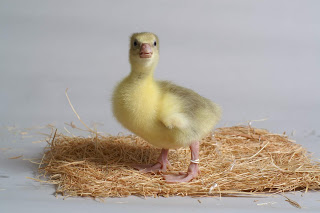
Add their good looks to their rarity, and it is no wonder the Sebastopol is a popular goose.
| Breed | Temperament | Weight | Egg Production | Mothering | Weeding Ability | Egg Size |
Sebastopol | Nervous | 11 - 13.5 pounds | 13-18/year | Poor | Good | 9.25 inches |
Fertility | ALBC Status | APA Class | Conservation Status | Our Show Quality | Flying Ability | Origin |
45% | Threatened | Medium | N/A | Good | None | Central Europe |