
Brown Egg Layer Chickens
| Sex | Order | 1 to 24 | 25 to 49 | 50 to 99 | 100 to 499 | 500+ |
|---|---|---|---|---|---|---|
| Female | $6.10 | $5.39 | $4.21 | $3.91 | $3.30 | |
| Male | $4.24 | $3.54 | $2.93 | $2.62 | $1.80 |
Metzer Farms is your trusted source for top-quality brown egg layer chicks that will provide you with an abundant supply of delicious, nutrient-rich brown eggs. Our Tetra Brown egg laying chicks are the perfect choice for both beginners and experienced poultry keepers. Experience the satisfaction of raising your own egg-laying chickens, and enjoy the fresh, delicious brown eggs they provide.
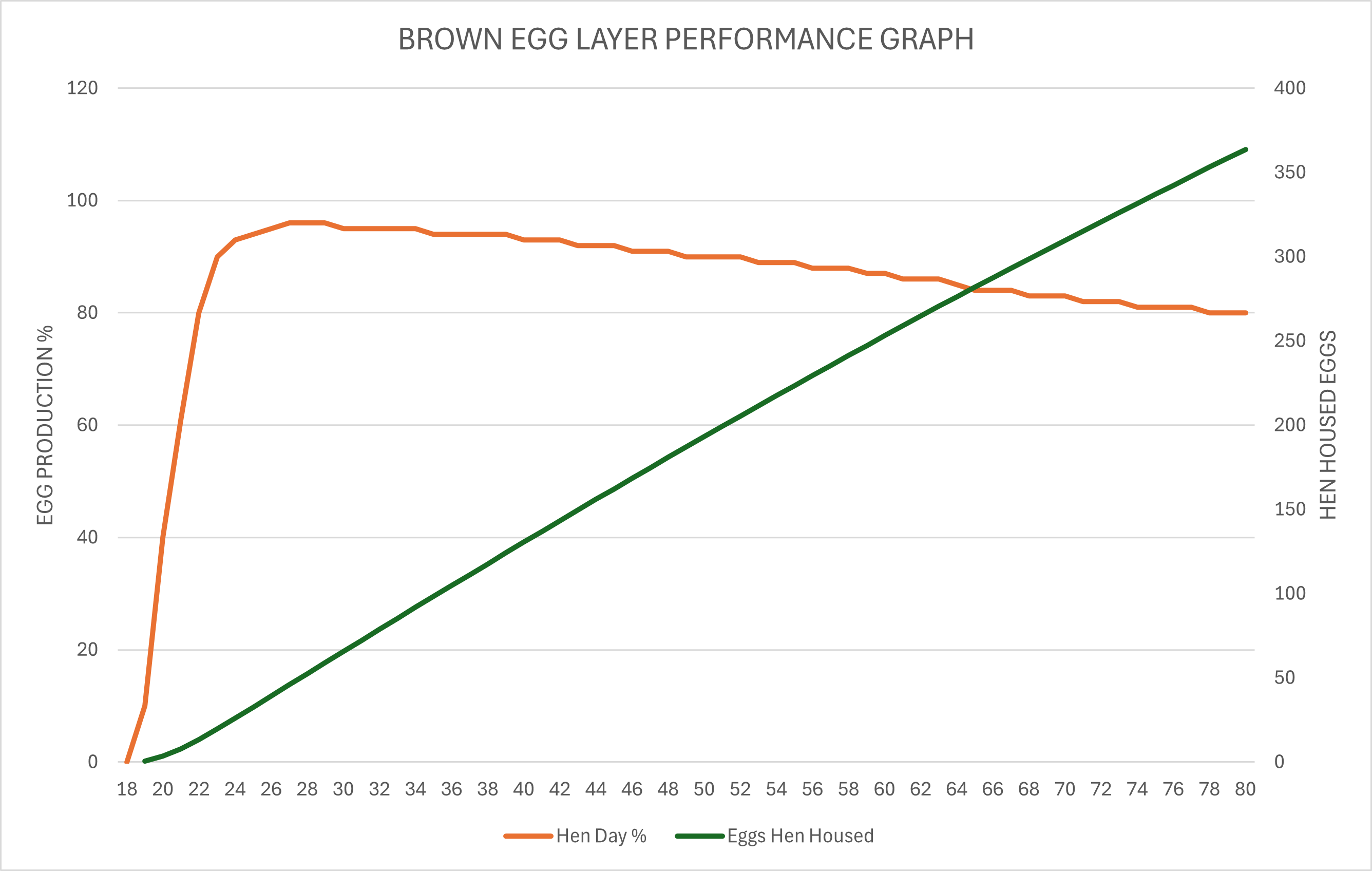
Our chickens are known for their prolific egg-laying capabilities, providing you with a steady supply of delicious brown eggs. The Brown Egg Layer will provide you at least 240 eggs in the first 40 weeks of production and the average egg weight is 63 grams. These chickens will start with egg production at just 19 weeks of age. This is a quick turn around time from chick to egg producing hen.
We have a minimum of 6 Brown Egg Layer Chicks.
Prebook at least 5 orders by emailing us at metzinfo@metzerfarms.com. Each order needs to include a minimum of 50 birds. Specify your ship dates and quantity, we will price lock you into the next lowest price bracket.
| Mar 23 | Mar 30 | Apr 6 | Apr 20 | Apr 27 | May 4 | May 11 | May 18 | May 26 | Jun 1 | Jun 8 | Jun 15 | Jun 22 | Jun 29 | Jul 6 | Jul 13 | |
|---|---|---|---|---|---|---|---|---|---|---|---|---|---|---|---|---|
| Female | ||||||||||||||||
| Male |
• Available
• Not Available
• Limited Availability (<10 birds)
Brown Egg Layer Stats
1. They produce 330 eggs in the first 72 weeks of laying.
2. Peak production at 95-97%, hen hits 50% production at 21 weeks and 90% production at 32 weeks of age.
3. A Brown Egg Layer Hen weight about 4 lbs when full grown. They can be salvaged for meat when their use for laying is over.
4. Brown Egg Layers are a cross breed using a Rhode Island Red male crossed with a silver factor White Rock female.
5. We vacinate our Brown Egg Layer Chicks for samonella.
Brown Egg Layer Management Guide
The main objective of pullet management is to raise a uniform flock that consistently reaches weekly target body weights. This ensures early sexual maturity, consistent egg size, and efficient feed-to-egg conversion.
Feeding Phases
1. Starter(0-8 Weeks):
- Target: 680 g (1.5 lbs) by 8 weeks.
- If pullets are underweight at 8 weeks, keep them on Starter until they reach the target weight.
- Feed must be nutrient-dense with all required amino acids, vitamins, minerals, and energy sources.
2. Grower (9-12 Weeks):
-Fed once birds hit Starter targets.
-Designed to maintain steady growth and flock uniformity.
3. Developer-1 (13-16 weeks)
-Transition to Developer-1 once the flock reaches 1140 g (2.5 lbs).
-Encourages rapid adolescent growth.
-If birds are underweight, extend Grower phase before shifting.
4. Developer-2 (17 weeks)
-Introduced when birds meet body weight targets at 17 weeks.
-Supplies calcium for skeletal strength and egg production readiness, without overstimulating premature laying.
-Birds should receive peak rations 7–10 days before the first egg is expected.
Feeding Practices
-All feed should be ad libitum.
-Lower house temperature to encourage feed intake.
-In hot weather: Offer a night feeding by turning on lights for 45 minutes to allow an extra feeding cycle. Stop night feeding once weights and intake return to normal.
-Feeding systems should run morning and late afternoon, with feeders allowed to empty mid-day to ensure fine particles are eaten
Body Weight and Flock Uniformity
-Flock performance depends heavily on uniform growth.
-At least 80% of birds should be within ±10% of the average flock weight.
-Example: If average weight is 1050 g (2.3 lbs), acceptable range is 945–1155 g (2.1–2.5 lbs).
-Measuring: Weigh at least 100–115 birds every 2 weeks beginning at 6 weeks, using a scale accurate to 20–50 g.
-While uniformity doesn’t guarantee strong laying performance, it reflects the quality of the growing program.
Water Management
-Water is the most important nutrient for poultry.
-Birds drink roughly twice as much water as feed consumed.
-Clean potable water must be available at all times.
-Test water before placing a flock to ensure quality.
-Monitor daily for leaks, clogs, airlocks, or contaminated lines.
Moving Pullets to the Laying House
-Move birds at 16–17 weeks of age.
-Withdraw feed for 6–8 hours before loading to ease transport and reduce mess.
-For long trips (20+ hours), reduce feed withdrawal time.
-Clean and disinfect the laying house in advance, including water lines.
-Add vitamins/electrolytes to reduce stress.
-Handle carefully to avoid broken bones or ruptured yolks.
-Keep lights bright for 2–3 days to help birds find feed and water, then reduce to growing-house levels.
Lighting Program
1. Chicks (0–7 days)
- Use intermittent lighting: 4 hours light, 2 hours dark cycles.
- Helps chicks adapt and stimulates feeding.
2. Growing Period (43–140 days)
- If housed where natural daylight leaks in, provide at least as many hours of light as the longest outside day length.
3. Switching Light Phases
- Body weight takes priority over age
- Do not increase day length until birds hit weight targets.
4. At Transfer (16-17 weeks)
- Increase light intensity to 10 lux for 24–48 hours until birds find feed and water, then reduce to growing levels.
- Start stimulation at 17 weeks or 1400 g (3 lbs) — whichever comes first.
- Never stimulate more than 7 days before moving to layer house.
5. Laying Period
- Never decrease day length once laying starts.
- Maximum 18 hours of light may be used, though dim light levels are sufficient for productivity.
- For earlier production with smaller egg size, light stimulation can begin slightly earlier, but never before 3 lbs body weight.
Laying Period Management
Space
-Brown Egg Layers adapt to many housing systems.
-Too little space lowers production and welfare.
-Too much space increases heating costs and feed overconsumption.
Temperature
-Ideal range: 70–75°F (21–24°C).
-Below 54°F (12°C): Birds eat more and lay larger eggs.
-Above 82°F (28°C): Feed intake drops, egg size reduces.
-Good air quality is essential regardless of temperature.
Feeding in Lay
-Feed ad libitum until peak egg mass is reached.
-Birds should have feed access morning and evening; feeders can be empty midday.
-Monitor body weights throughout lay — slow increase is normal; a decrease signals insufficient nutrients.
-Diet adjustments: Use higher protein and amino acids in early lay, reduce density during hot weather or later in lay to manage egg size, include added fat (1–2%) in early lay to reach desired egg size, then reduce to 0.5% after stabilization.
-Limestone particle size: Use fine granular limestone for shell quality, particularly in peak and later diets.
Midnight Feeding in Lay
-Helpful in hot climates when feed intake drops.
-Turn lights on for 1 hour in the middle of the night, ensuring a full feeder cycle.
-Discontinue when feed intake normalizes.
Water in Lay
-Provide unlimited access to clean water.
-Birds housed with nipple or cup drinkers must be observed to ensure they find water after transfer.
-Install water meters to track consumption daily — sudden drops can signal health or system problems.
Intermittent Lighting Programs
-Useful when: egg size is too large, feed intake is excessive, energy costs are high, and/or cannibalism or feather loss appear.
-Program begins after 35 weeks and is phased over 5 weeks: First adjustment - 15 min dark/ 45 min light each hour (except first and last two hours of day), Second adjustment - 30 min dark / 30 min light, Final adjustment - 45 min dark / 15 min light
-Night hours remain unchanged - birds percieve the longest dark period as "night"
Floor System Management
Growing in Floor Systems
-Light intensity must be higher than cages (2–3 foot candles first week, then reduced).
-Raise intensity again before moving to prepare for open-sided layer houses.
-Night hours remain unchanged - birds percieve the longest dark period as "night"
-Pullets may weigh slightly less due to more exercise.
-Stimulate into production at 1400 g (3 lbs), no earlier than 16 weeks and no later than 19 weeks.
-Litter management: Maintain 50–60% relative humidity. Wet litter = ammonia, respiratory issues, coccidiosis. Dry litter = dust, respiratory stress, aggression.
-Prevent piling by blocking corners, reducing drafts, and managing noise.
-Provide perches to train birds for aviary or slatted nest houses.
Laying in Floor Systems
-Birds must immediately learn to use nests.
-Keep nest boxes open during the day and closed at night.
-Walk houses regularly to gather floor eggs and discourage bad habits.
-Eliminate dark corners and install temporary low electric fences near walls to prevent floor eggs.
-Keep slats less than 2 ft high to encourage movement between floor and platforms.
-Place birds on slats at housing to teach them where to roost and feed.
Feeding During the Laying Cycle
-Seasonal adjustments are critical. Hot weather: higher nutrient density, longer peaking diet period. Cool weather: lower density diets may be sufficient
-Formulate diets based on available amino acids, not just totals, especially when using alternative grains.
Key Points for Succes:
1. Uniform growth: Weigh birds biweekly; keep 80% within ±10% of average.
2. Ad libitum feeding with adjustments for hot weather and growth delays.
3.Clean water always available; monitor with water meters.
4. Move to laying house at 16–17 weeks after house is disinfected and prepared.
5.Lighting must only increase; never decrease day length once birds are laying.
6.Temperature control between 70–75°F improves efficiency and egg size management.
7. Floor systems require extra training with perches, slats, and nest access.
8. Diet phase changes should be tied to egg size and flock performance, not just age.
Why Choose Brown Egg Layers?
1. Superior Genetics: Our brown sex link egg layer chicks are bred from carefully selected, high-performing breeds renowned for their egg-laying capabilities. You can count on a consistent supply of large, brown eggs with rich, flavorful yolks.
2. Healthy: We prioritize the health and well-being of our chicks. Each order shipped is custom packed based on your local temperature at time of arrival. We will pack less chicks per box when shipping into hot climates. When shipping into cooler climates, we will insulate boxes and add heat packs when needed.
3. Expert Guidance: Whether you're a seasoned poultry keeper or just starting out, Metzer Farms is here to provide you with valuable tips and advice on raising and caring for your brown egg laying chicks.
4. Fast Shipping: We understand that timing is crucial when it comes to starting your flock. That's why we offer fast and reliable shipping options to get your chicks to you in the best condition possible.
5. Affordable Prices: Quality doesn't have to break the bank. We offer competitive prices without compromising on the quality of our brown egg layer chicks. Are you planning to purchase your chicks on a set schedule? Prebook at least 5 orders by emailing us at metzinfo@metzerfarms.com. Each order needs to include a minimum of 50 birds. Specify your ship dates and quantity, we will price lock you into the next lowest price bracket. For Example, give us 5 ship dates for 100 chicks per shipment and get the 300-599 chick price bracket. Separate billing will occur the week prior to each ship date.
Benefits of Brown Eggs
Brown eggs aren't just visually appealing; they also offer numerous benefits:
1. Nutrient-Rich: Brown eggs just like their white egg cousins have high nutritional value compared to other sources of protein. They are packed with essential vitamins, minerals, and healthy fats.
2. Delicious Flavor: Many foodies claim that home grown (laid) eggs have a richer and more robust flavor than store bought eggs, making them a favorite choice for baking and cooking.
3. Happy Hens: These brown sex link chickens are great for free range pasture raising.
Customer Reviews of Brown Egg Layer Chickens
5.0Rosemarie L. | Brown egg layer chickens.
We order our chickens on February 22 2024. They arrived on March 15. They looked great considering they're 3 day journey. They were very active, hungry (to be expected considering they're trip) and most importantly healthy. They are extremely calm considering that they are chick's. They are by far the most docile chick's that we have ever purchased. They have a very relaxed demeanor. We feel very confident that they will produce many eggs as Metzger farms claims. They are 1 month old as of yesterday. We will be expecting eggs in about 3 to 4 months as is normal for chickens. We will follow up on this review in the near future to let you know how they produce. As of right now we would definitely recommend Metzger farm for numerous reasons. The way they schedule availability of chick's or water fowl (which we have purchased but that is another review) the sexing guarantee, the fair pricing, the quality of their stock and the good health of the new arrivals. Before going to a box store or ordering online I would give Metzer farm a look. I believe that you will not be disappointed.
Nikolas W. | Friendliest chickens ever
We ordered a batch of these about two months ago with an order of ducklings because it was cheaper than the extra heated packing materials and we needed a few more hens to fill up our layer coop. Since they arrived, these chickens have had the absolute best temperament of any birds we've had hands-down. Most of our chickens are friendly, but these always want to be around us! Looking forward to them getting old enough to lay. They've also been very healthy and hearty so far. Once we retire some of our older girls, we will definitely be ordering these again.